Concerns

Skin Concerns

Correct pigmentation, redness, scarring, and more with our advanced laser and aesthetic treatments.

Skin Concerns
Sun Damage

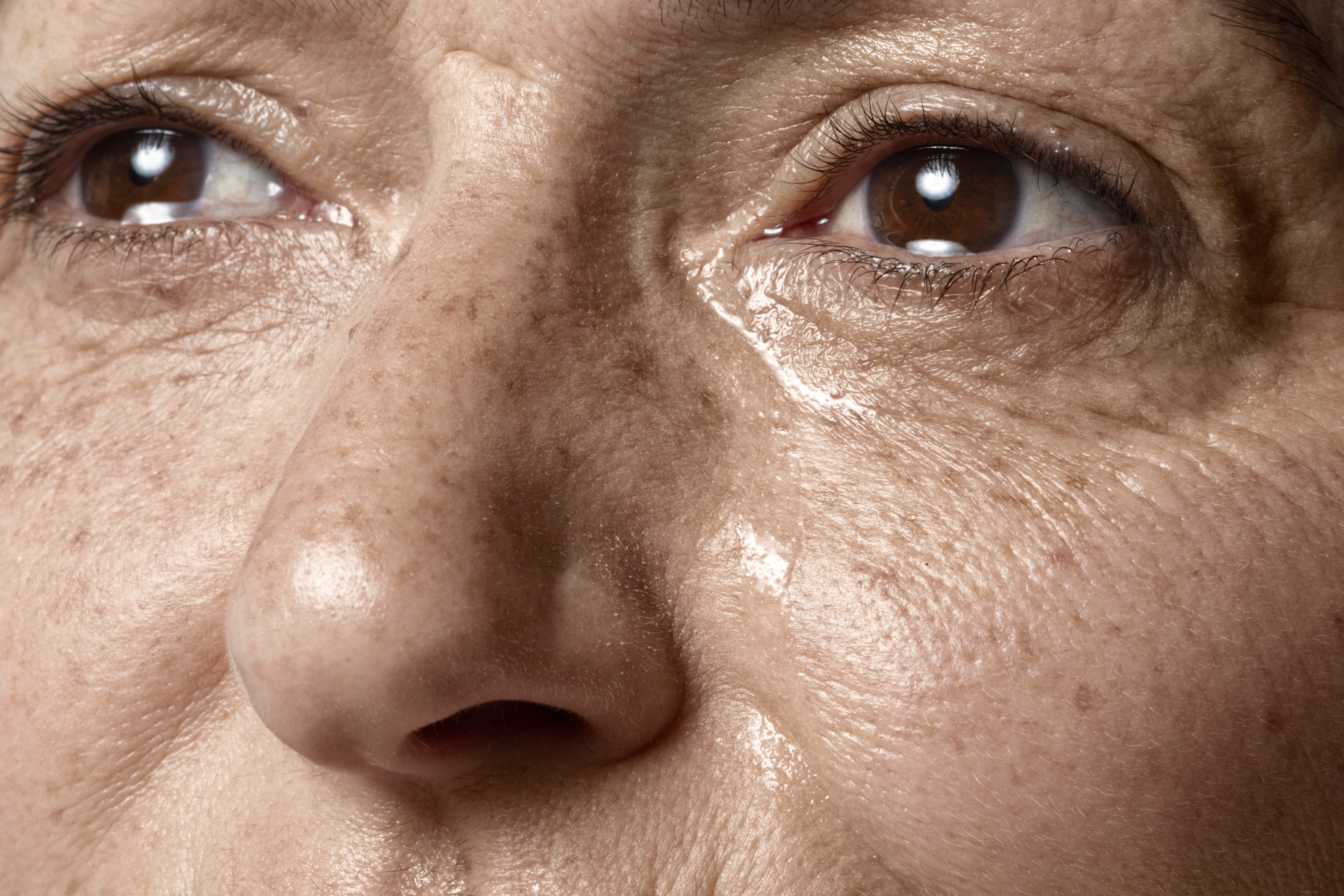
Skin Pigmentation

This topic includes Freckles, Sun spots, Age Spots and Melasma.

Skin pigmentation is caused by melanin, which is a brown pigment released by cells in the skin called melanocytes. These cells are also responsible for freckles, sun spots, age spots and blotchy skin discolouration (Melasma). Melanin production by melanocytes is increased by sunlight UVB radiation exposure and hormonal influences. The terms sun spots and age spots are used to describe the same condition.

Pigmentation Context

Treatments for Pigmentation

At Pulse Aesthetics, we treat freckles, sun spots and age spots with Intense Pulsed Light (IPL) Laser. Recurrence is common after further sun exposure and using sunscreen with an SPF>50 is important after treatment.

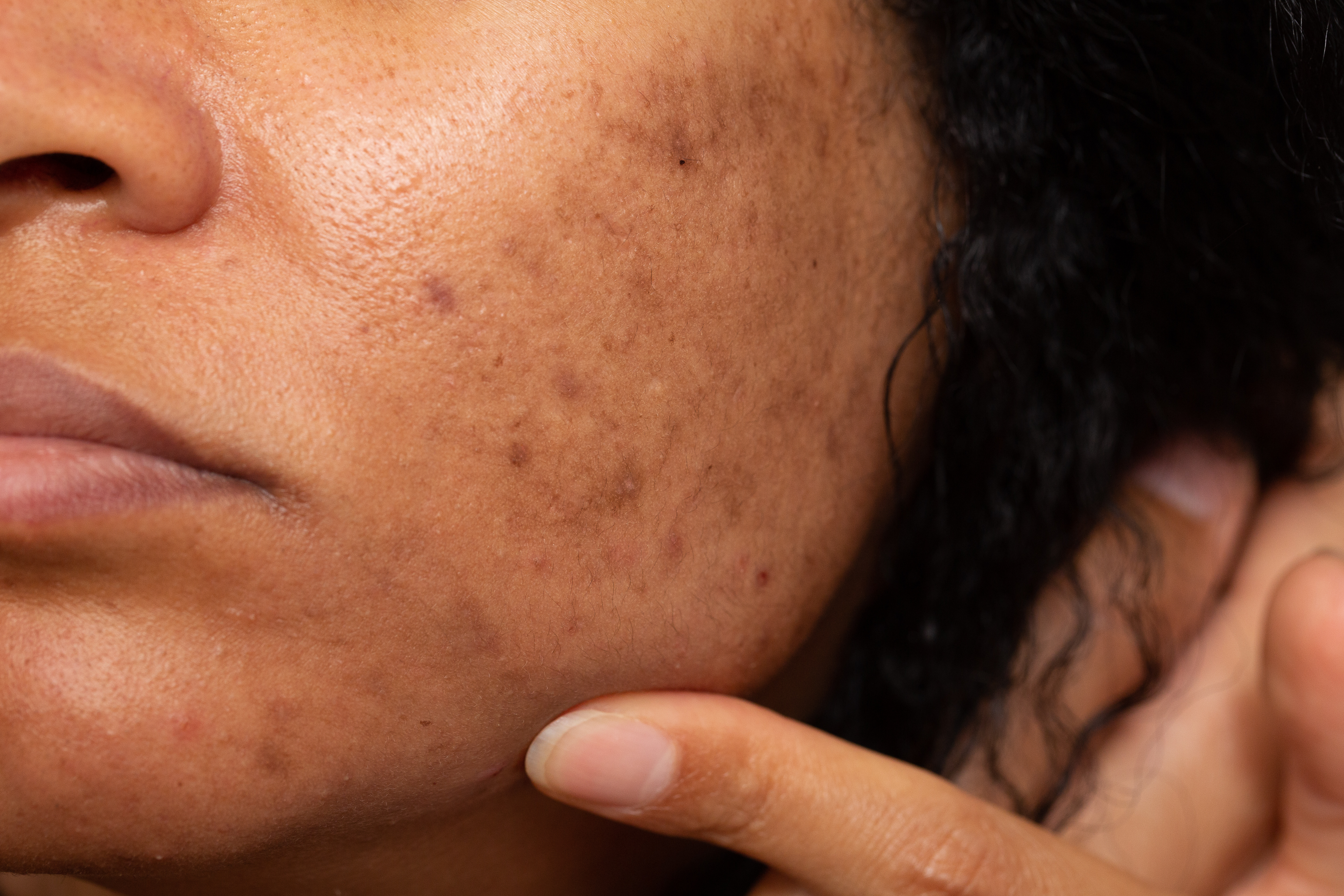
Melasma

Melasma is more common in darker skin types, women aged 30 and over, in pregnancy, and when using the oral contraceptive pill or HRT (hormone replacement therapy). Sometimes make-up and face creams can irritate the skin and cause or worsen melasma, especially in combination with UVB radiation from sunlight exposure.

Typically, good sunscreen and avoidance of any initiating make-ups or creams is recommended. The results of IPL Laser are often unpredictable in melasma, and it is not a first-line treatment.

IPL Treatment for Pigmentation
Results

Pigmentation: Before and After

Pigmentation Before

Before

Pigmentation After

After

Vascular

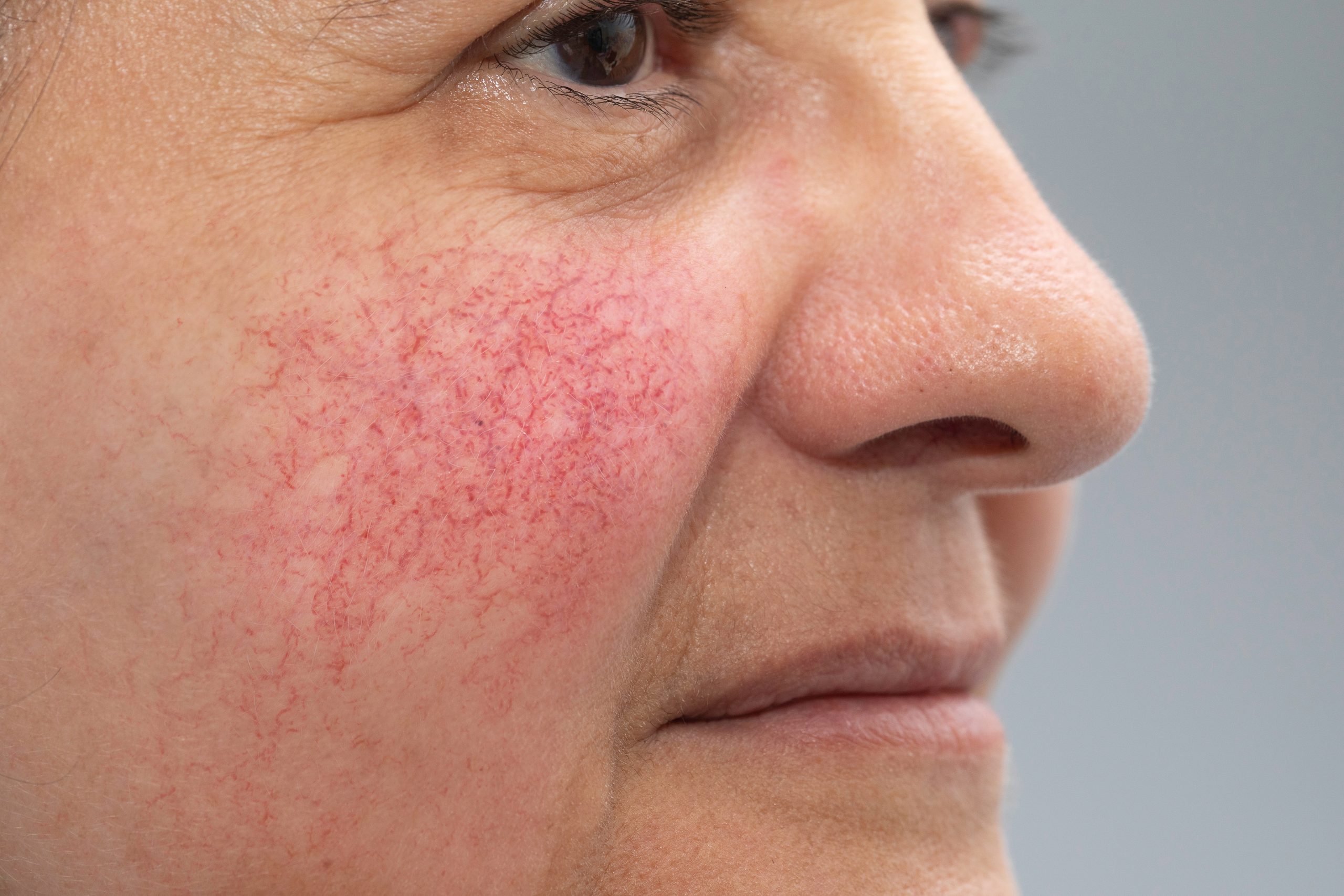
Facial Veins and Telangiectasia

Facial veins (telangiectasia, spider veins, broken capillaries) develop when small superficial blood vessels dilate or weaken. Common causes include genetics, sun damage, and natural ageing, which thins the skin and reduces collagen support. Rosacea, chronic flushing, and temperature extremes can also trigger vessel expansion over time.

Lifestyle factors such as alcohol consumption, drinking hot beverages, and eating spicy foods, and vigorous scrubbing may worsen visibility. Repeated trauma (eg, picking skin), steroid creams, and certain hormonal changes are additional contributors.

Facial Veins Context

Treatments for Facial Veins

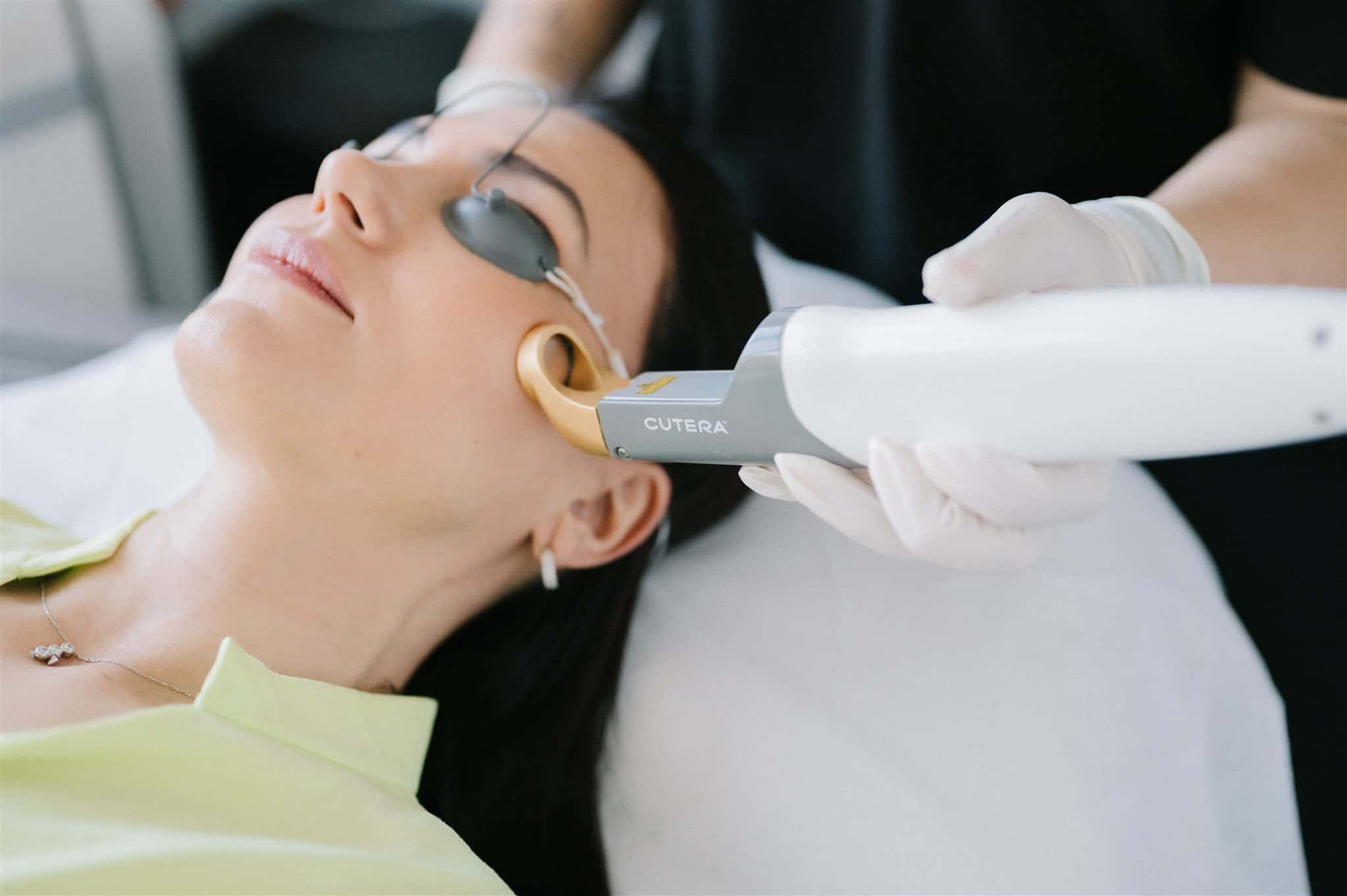
Facial veins are best treated with laser and pulsed light therapies. Vascular lasers (such as Cutera Excel V or Nd:YAG) and IPL (Intense Pulsed Light) safely heat and collapse visible vessels, allowing the body to clear them over several weeks. Most patients need 1–3 sessions, depending on vessel size and density.

Treatments are quick with minimal down time — typically with mild redness for a few hours. Sun protection is essential before and after treatment to ensure optimal results and reduce recurrence.

Laser for Facial Veins
Results

Facial Veins: Before and After

Facial Veins Before

Before

Facial Veins After

After

Redness

Rosacea

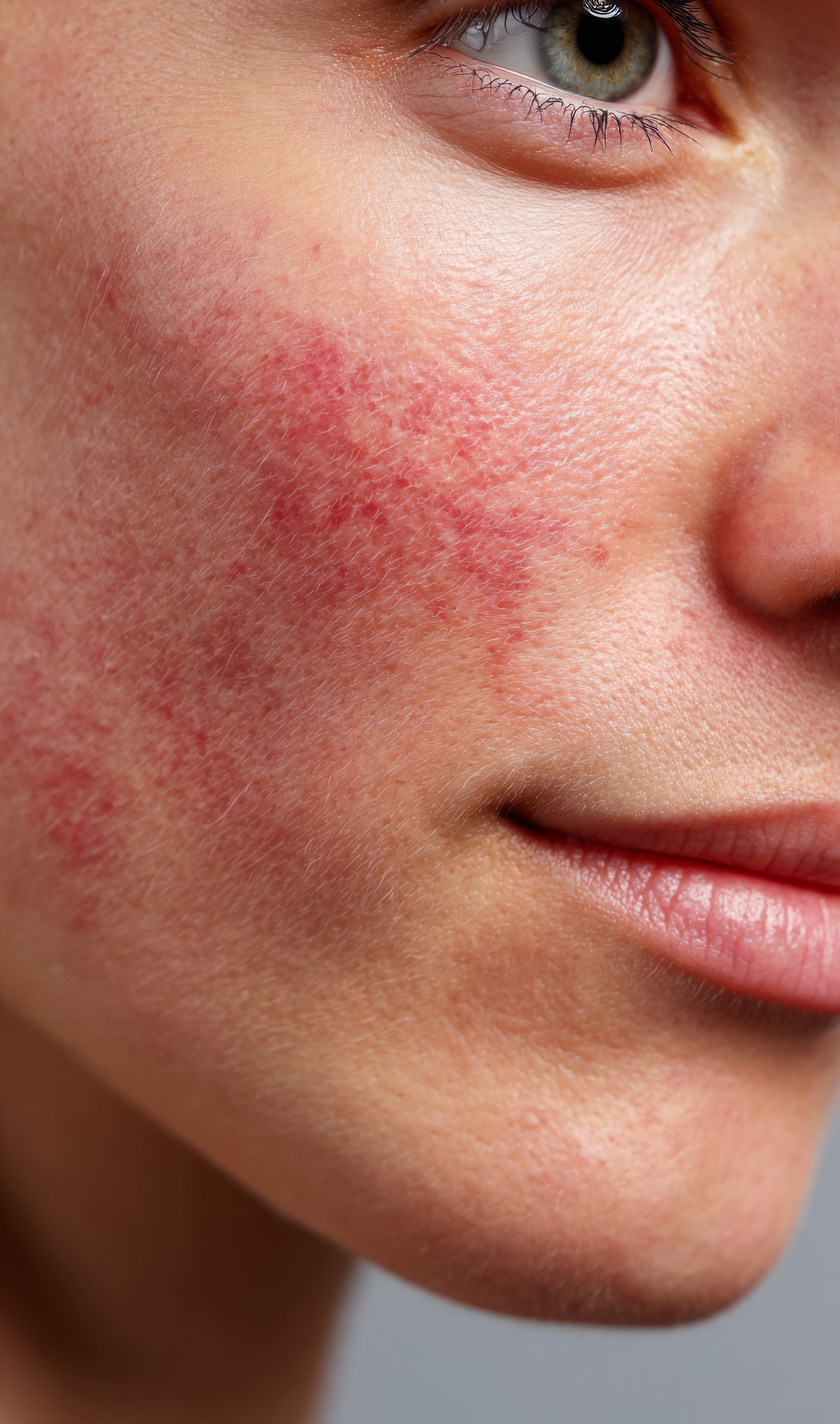
Rosacea is a skin condition that causes flushing or redness on the face. Underlying this is an excessive immune response by the skin to certain stimuli. This is often associated with a burning sensation and some mild swelling.

Rosacea typically affects people with fair skin from 30 years of age. Male sufferers often have thickened nose skin as well.

Redness of the cheeks, neck and nose is common. The redness often shows as flushing and broken capillaries. Sometimes there is an inflammatory component that resembles acne. Typical aggravating factors are spicy foods, stress, alcohol and exercise.

Rosacea Context

Treatments for Rosacea

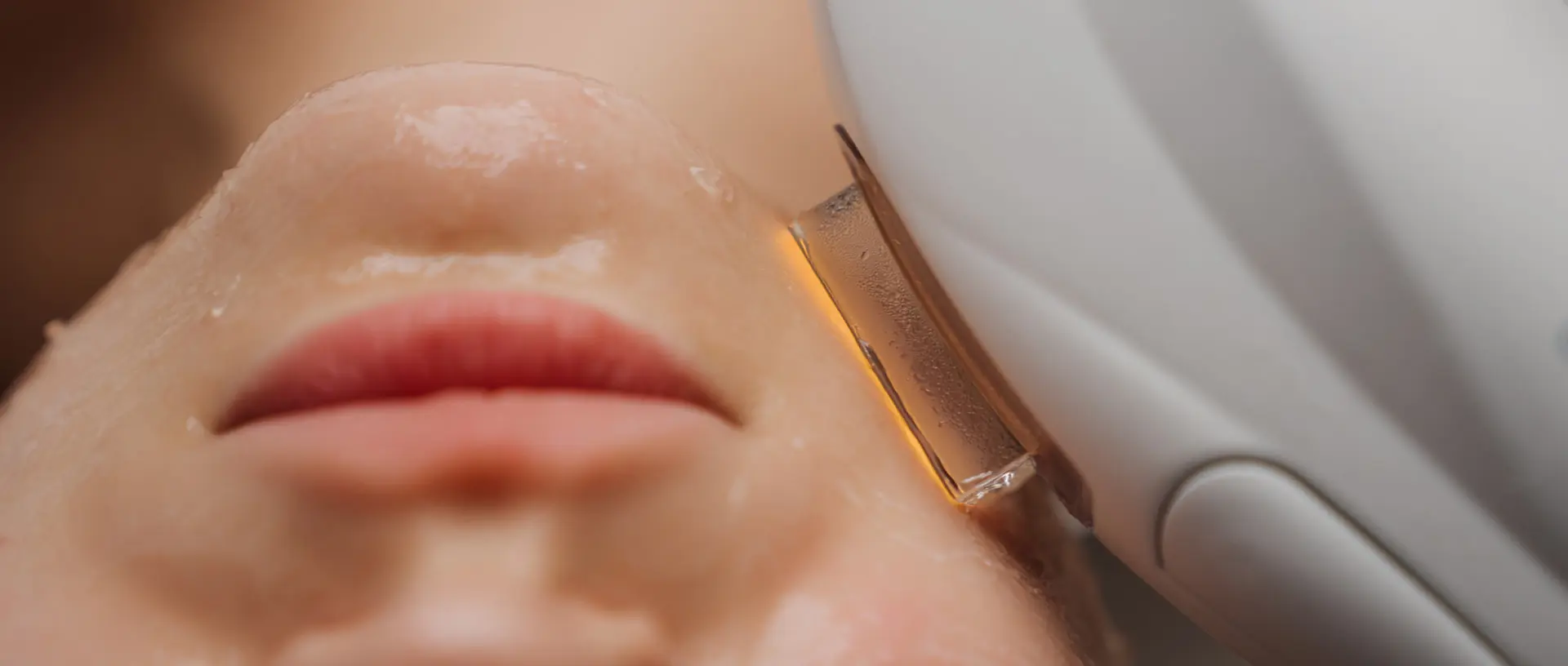
At Pulse Aesthetics, we offer Intense Pulsed Light (IPL) treatment for rosacea. This can be very effective in reducing facial flushing and redness, and in alleviating some of the other features of rosacea, such as burning, swelling and the acne-like process that occurs in some people.

Other components of managing rosacea involve avoiding triggers, using water-based skincare, make-up and sunscreen and avoiding sun exposure.

Rosacea Treatment
Results

Rosacea: Before and After

Rosacea Before

Before

Rosacea After

After

Radiant, Clear Skin
Radiant, Clear Skin
Texture

Acne Scars

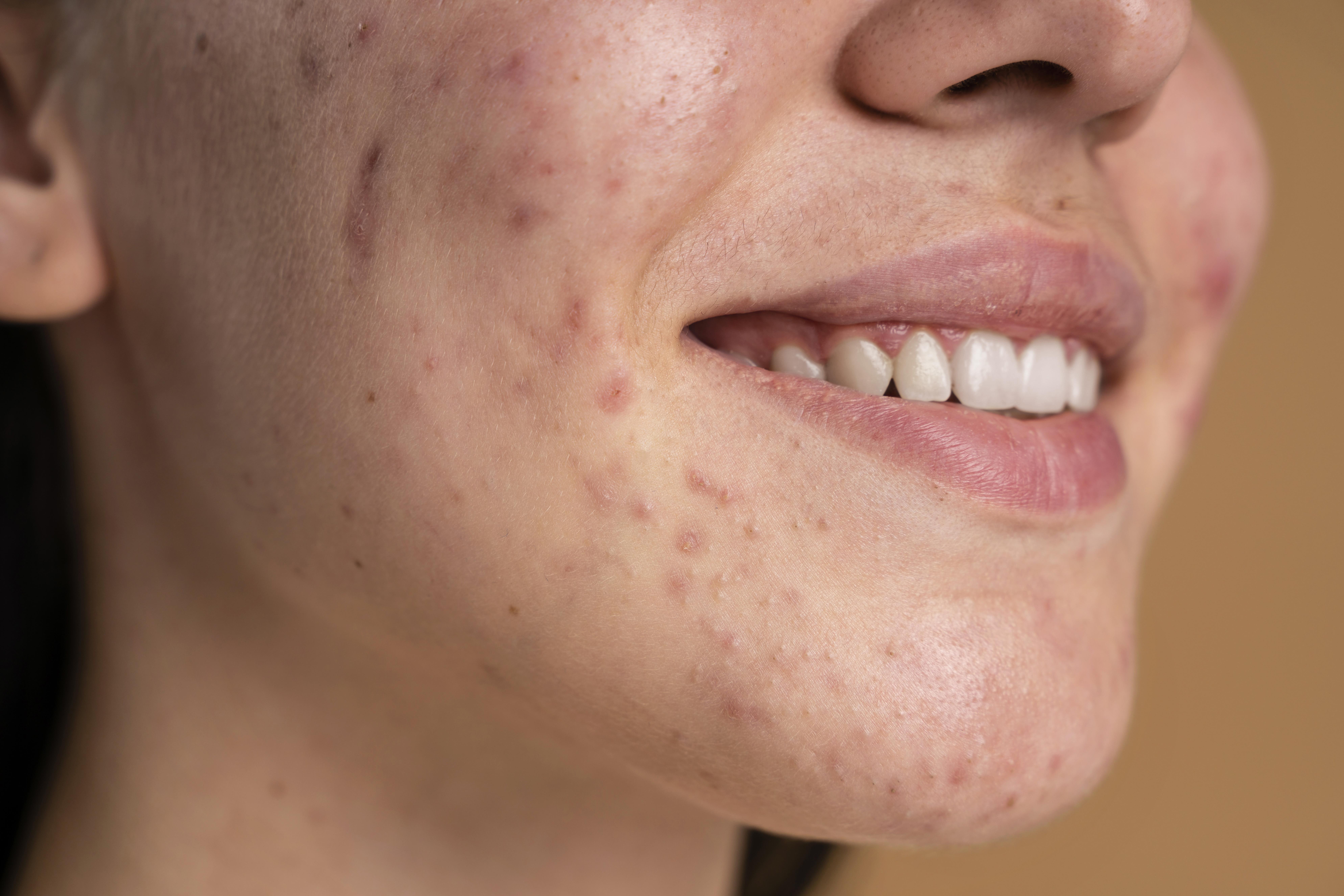
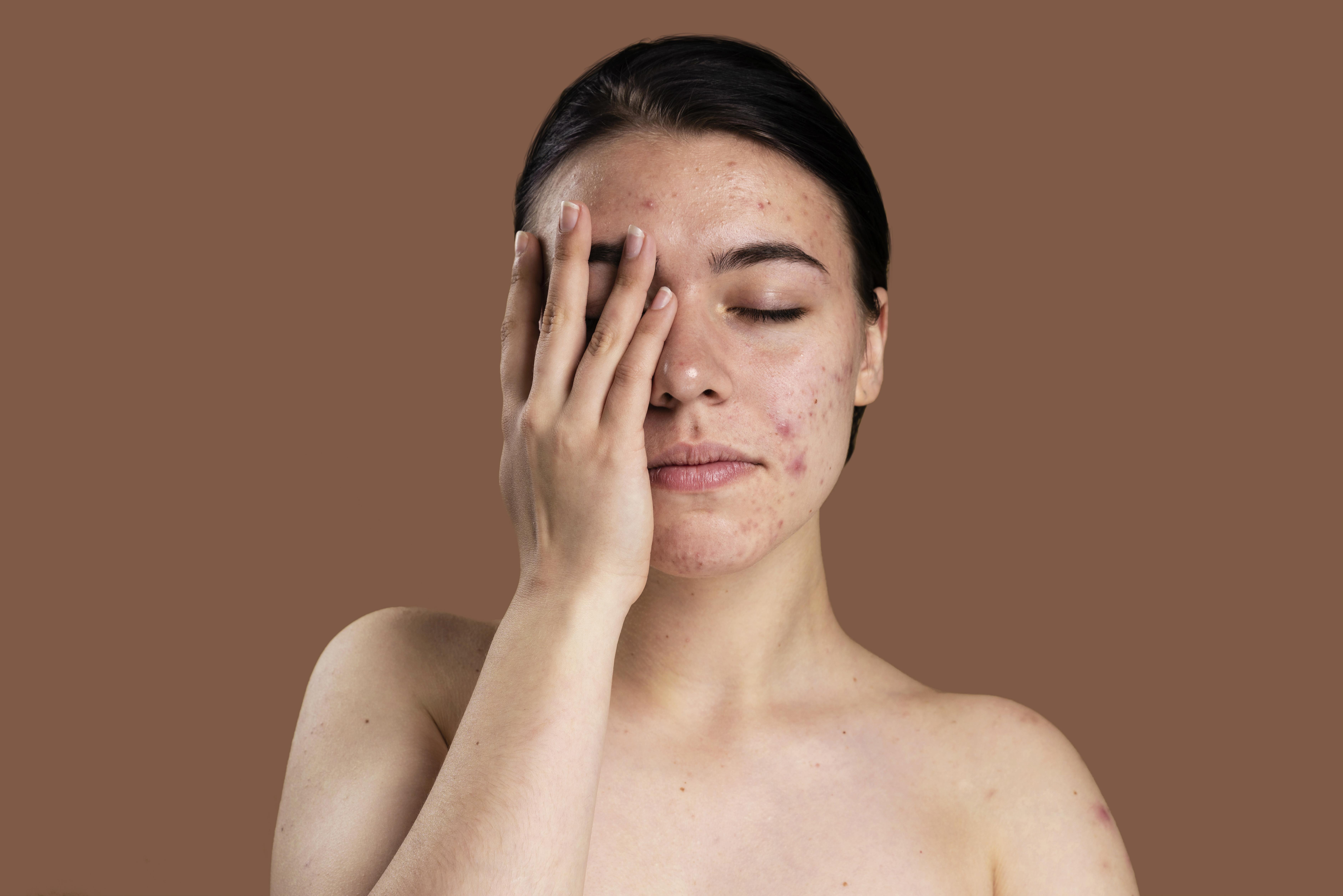
Acne is typically active for people in their teens or 20s. Acne scarring results from the inflammation and fibrosis caused by active acne. About 1 in 3 people with active acne will get some degree of scarring.

Acne Scarring Context

Treatments for Acne Scarring

Active acne requires treatment first. This means good skincare with Salicylic Acid, Vitamin C, Benzoyl Peroxide, Retinoids and Alpha Hydroxy Acids. Sometimes antibiotics are required. More severe acne is effectively treated with an oral form of Vitamin A called Isotretinoin.

Laser Genesis for acne scarring is effective at promoting new collagen growth under the skin surface, resulting in a smoothing effect on acne-damaged skin.

Acne Treatment
Results

Acne Scarring: Before and After

Acne Scars Before

Before

Acne Scars After

After

Rejuvenation

Tired Skin

As the skin ages it loses its elasticity and volume. This is caused by a natural reduction in elastin and collagen, which occurs with age, and by environmental factors such as sun exposure and smoking.

All of this manifests as sagging skin, dryness, wrinkles, pigmentation, facial veins and loss of skin lustre.

Treatments

At Pulse Aesthetics, a range of skin treatments are available for skin rejuvenation. These include Medical-grade Skincare Products, Laser Genesis and IPL, Dermal Fillers, and Botox.

Tired Skin
Hyperhidrosis

Excessive Sweating

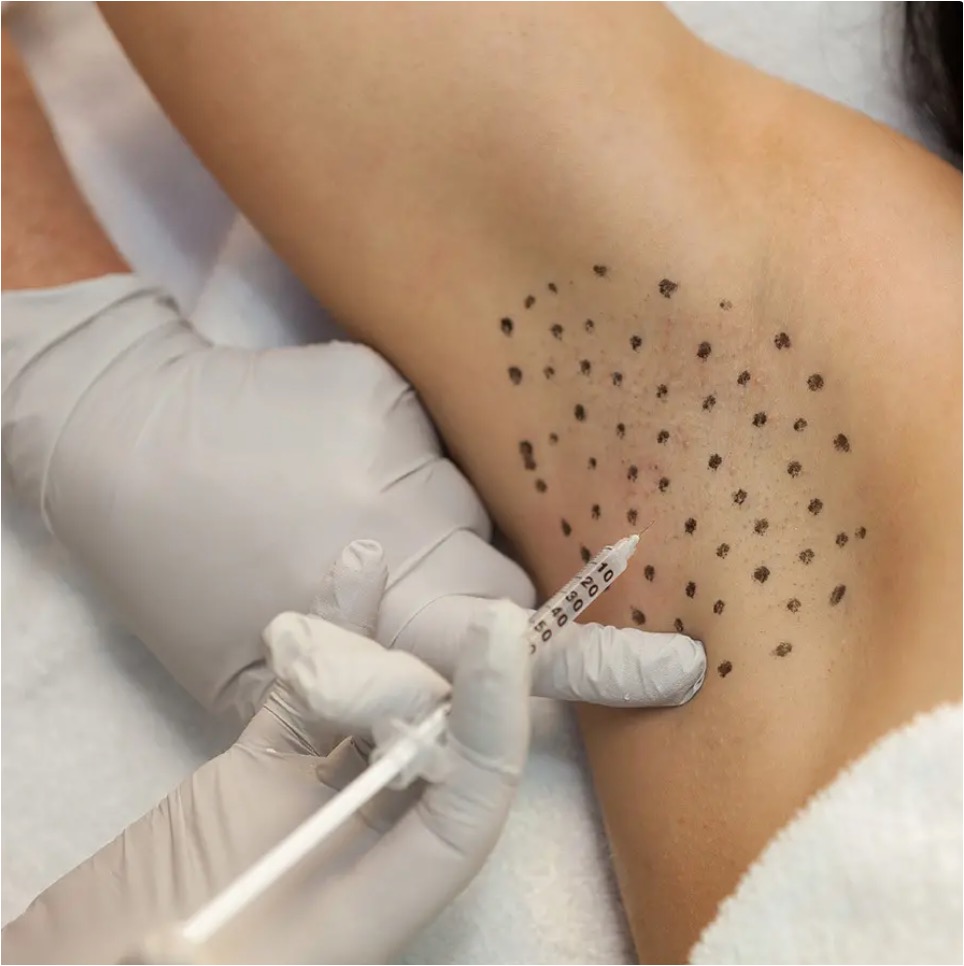
Excessive sweating is also called hyperhidrosis. Just why it affects some people and not others is not well understood, and it tends to run in families. It generally affects the armpits, the palms and the soles of the feet. Clinical concerns range from mild discomfort, through social embarrassment, to significant skin problems related to excessive moisture.

The underlying cause is overactivity of the nerve that controls sweating in the armpits, palms and soles of the feet. Control of this nerve is centred in the brain, and this type of sweating is also called 'nervous sweating'.

Hyperhidrosis Context

Treatments for Hyperhidrosis

Treatments for excessive sweating range from strong aluminium-based antiperspirants, oral medications, Botox®, to surgery. A person’s level of concern and symptoms dictate the most appropriate type of treatment.

  • Botox Injections: Very effective, but have a limited duration of effect — usually about 12 months on average. Well tolerated in the armpits, in the palms and soles.
  • Hyperhidrosis Treatment

    BOTOX® – SAFETY INFORMATION

    BOTOX® is a prescription medicine for the treatment of frown lines, horizontal forehead lines, and crow’s feet. It has risks and benefits—ask your doctor if BOTOX® is right for you. If side effects occur, seek medical advice.

    Treatments typically last about four months, are not publicly funded, and medicine plus clinic fees apply. Review the Consumer Medicine Information at www.medsafe.govt.nz for precautions and side effects. Administered only by trained medical professionals. Distributor: Allergan (NZ) Limited, Auckland.

    JUVÉDERM® / LIP FILLERS

    JUVÉDERM® dermal fillers are Class III medical devices containing hyaluronic acid and lidocaine to enhance contours, define or hydrate lips, and improve skin tone or texture. They are unfunded treatments—product and professional fees apply.

    Always read and follow your provider’s instructions. Possible effects include swelling, tenderness, or bruising that usually resolve within days. Ask your healthcare professional if JUVÉDERM® is right for you and consult the Patient Information Leaflets from Allergan Aesthetics (0800 659 912 / allerganaesthetics.com.au/products).

    PROFHILO®

    Profhilo® contains low- and high-molecular weight hyaluronic acid and is a Class III medical device for contour redefinition and skin laxity remodelling. It has risks and benefits—discuss suitability with your clinician.

    Do not combine Profhilo® with laser resurfacing or medium/deep peels, and use caution if you take anticoagulants. Avoid injecting into inflamed areas, veins, or muscles. Possible reactions include transient pain or swelling at the injection site. Distributor: Accelagen Pty Ltd, Whanganui.

    RELFDYESS® (BOTULINUM TOXIN A)

    Relfydess® is a prescription medicine containing 150 units of botulinum toxin type A, indicated for softening frown lines and crow’s feet.

    Relfydess® has risks and benefits. Ask a doctor or healthcare professional if it is suitable, follow the instructions provided, and review the Consumer Medicines Information at www.medsafe.govt.nz for precautions and side effects. Treatments must be administered by trained medical professionals. Supplier: Galderma Australia Pty Ltd.

    RESTYLANE®

    Restylane® fillers are hyaluronic acid gels for intradermal injection to smooth wrinkles or enhance lips. They are unfunded, so product and doctor/nurse fees apply.

    Potential side effects include swelling, bruising, redness, tenderness, itching, or small lumps. Do not use if you are pregnant, breastfeeding, or allergic to hyaluronic acid or lidocaine. Avoid extreme heat or cold until redness or swelling resolves. Restylane® must be injected by a nurse or doctor. Supplied by Q-Med/Galderma New Zealand via Healthcare Logistics, Auckland.

    DYSPORT® (BOTULINUM TOXIN A)

    Dysport® is a prescription medicine containing 300 or 500 Ipsen units of Clostridium botulinum type A toxin-haemagglutinin complex for treating frown lines, horizontal forehead lines, and crow’s feet.

    Dysport® has risks and benefits—ask your doctor if it is right for you. Only trained medical professionals may administer it. Medicine and clinic fees apply. Results typically last 4–6 months and further courses may be required. Consult www.medsafe.govt.nz or your healthcare professional for side-effect guidance.

    HYALASE

    Hyalase® (hyaluronidase) is a prescription-only enzyme used to reverse, dissolve, or correct hyaluronic acid dermal fillers.

    It is administered in clinic by trained therapists after a face-to-face medical consultation to assess risks. Potential reactions include rare anaphylaxis, local irritation, or bruising. Please advise us if you are pregnant or breastfeeding.

    ALL INJECTABLE TREATMENTS – GENERAL GUIDANCE

    All neuromodulator and dermal-filler treatments at Pulse are prescription services that require an in-person consultation and informed consent. Patients are responsible for medicine/device costs plus professional fees, and results vary per individual.

    Disclose your medical history, medications (especially blood thinners), and pregnancy or breastfeeding status before treatment. Temporary redness, swelling, or bruising can occur; contact the clinic if symptoms persist or worsen. Refer to the relevant Consumer Medicine Information on www.medsafe.govt.nz for comprehensive risks and contraindications.


    Appointments

    Book Your Appointment

    with Robyn

    Complete the form below to schedule your visit with our specialists.

    Submit a short video for a quote/tele consult

    Get expert advice from the comfort of your home. Submit a short video of the area you’d like treated, and our specialists will provide a personalised quote and consultation.

    Tap “Start Video Quote” to enable your camera.

    Recording 00:00

    Video tips

    • Position your face clearly in the centre of the frame.
    • Make sure the room is well lit.
    • Slowly turn slightly left and right if needed.
    • Keep the clip short (15–30 seconds).
    • Mention any areas you would like assessed.

    Ready when you are.

    Video is optional. Submit whenever you are ready.